
NickBaler Servo Hydraulic Baler Market Feedback and Buyer Benefits
What recycling buyers are asking after comparing servo-driven baling press systems
Market feedback around servo hydraulic balers is becoming more practical. Buyers are not only asking whether a baler can compress OCC, cardboard, PET bottles or soft plastic. They also want to know how the machine controls energy use, noise, heat and day-to-day operating stability.
For NickBaler inquiries, the most common feedback is that buyers want a clearer connection between material volume, automation level, power consumption and long-term operating cost before they choose a hydraulic baler model.
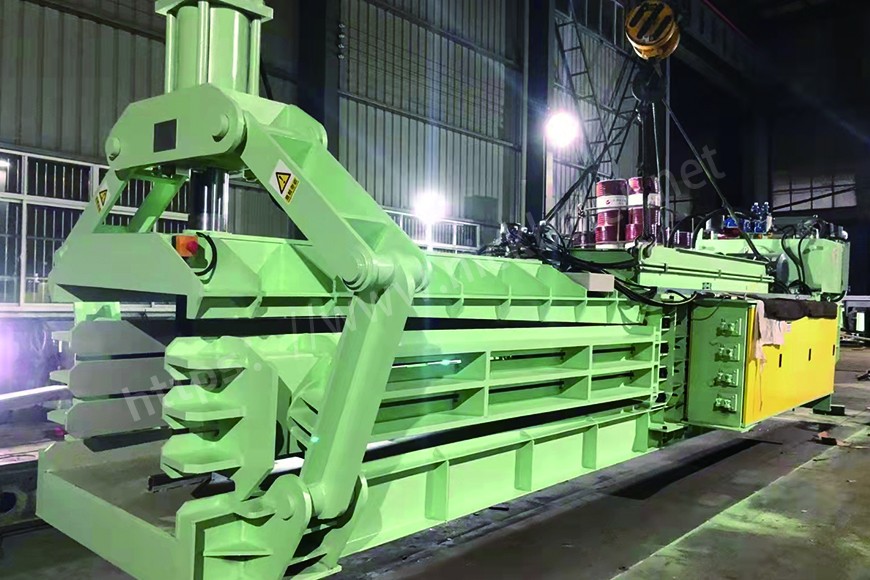
Main market feedback for servo hydraulic balers
| Energy control | Buyers ask whether the servo system can reduce unnecessary motor running during idle or low-load periods. This is important for recyclers running multiple shifts or continuous collection lines. |
|---|---|
| Noise and heat | Operators prefer quieter and more stable hydraulic systems, especially in indoor recycling workshops where heat, oil temperature and noise affect daily work. |
| Compression consistency | Market feedback shows that customers value stable bale density more than only a high pressure number. Consistency helps transport, stacking and resale handling. |
| Control experience | Buyers want easier parameter adjustment for different materials such as OCC, PET bottles, film, textile waste or mixed packaging scrap. |
| Maintenance planning | Servo hydraulic baler buyers usually ask about spare parts, oil maintenance, fault diagnosis and remote support before confirming an order. |
| Total cost | The purchasing decision is moving from machine price only to long-term cost: electricity, downtime, labor, bale quality and service response. |
Where servo hydraulic balers fit best
Servo-driven baling systems are usually considered when the buyer has regular production volume, wants better energy control, or needs more stable operating performance across different waste materials.
- OCC and cardboard recycling plants that run long daily operating hours.
- PET bottle and soft plastic processors that need stable bale shape and tying strength.
- Warehouses and packaging plants looking to reduce repeated handling and storage pressure.
- Export-oriented recyclers who need consistent bale dimensions for container loading.
- Factories comparing labor cost, electricity cost and maintenance cost before upgrading old equipment.
What buyers should send before asking for a servo baler quote
To match the right NickBaler servo hydraulic baler, prepare the material name, loose density, target hourly output, bale size, bale weight, power supply, feeding method and workshop layout. This makes the recommendation faster and helps avoid a model that is too small or too expensive for the real job.
Request Servo Hydraulic Baler Advice
Send your material, output and workshop details. NickBaler can recommend whether a servo hydraulic baler, full automatic tie baler or semi-automatic baler is the better fit.